25 October 2026
Introduction
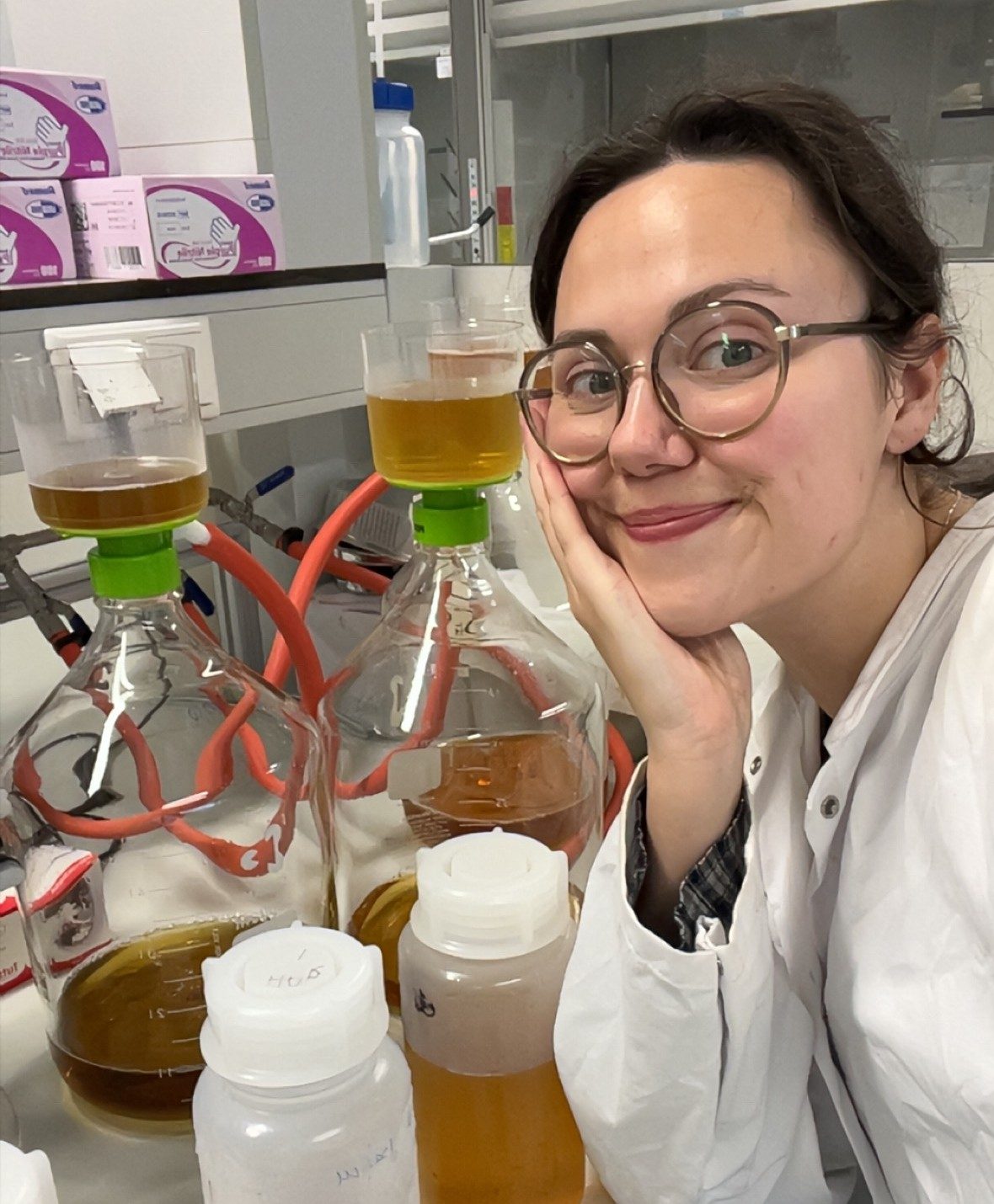
As part of our series showcasing researchers working with UNLOCK’s facilities, we spoke with Isabell Raahauge Eriksen about her research into the stability and robustness of mixed-culture fermentation using salt-rich industrial residue streams. Her study examines how variations in feedstock composition affect process performance and the production of volatile fatty acids (VFAs), with a particular focus on the influence of amino-acid composition and the microbial community’s ability to recover following changes in feedstock. By operating four continuous stirred-tank reactors in parallel and combining routine process monitoring with analytical techniques such as ion chromatography, gas chromatography, and high-performance liquid chromatography, the research explores how fermentation systems respond to changing influent conditions. The experiments were conducted using UNLOCK’s Modular Bioreactor Platform, particularly its parallel continuous-reactor systems with online off-gas analysis.
Could you briefly describe the focus of your research?
My research examines the stability and robustness of mixed-culture fermentation of a salt-rich industrial residue stream in which proteins are the main carbon source. The work focuses on how variation in the feedstock affects process performance and the production of volatile fatty acids (VFAs).
What were the key goals or research questions you aimed to explore?
The main questions were:
-
How does an established continuous fermentation process respond to variability in industrial residue feedstock?
-
To what extent does the amino-acid composition of the feed influence the VFA composition of the effluent?
-
After a feedstock change, can the fermentation return to its original performance when the original feedstock is reintroduced?
What methods or technologies did you use as part of your project?
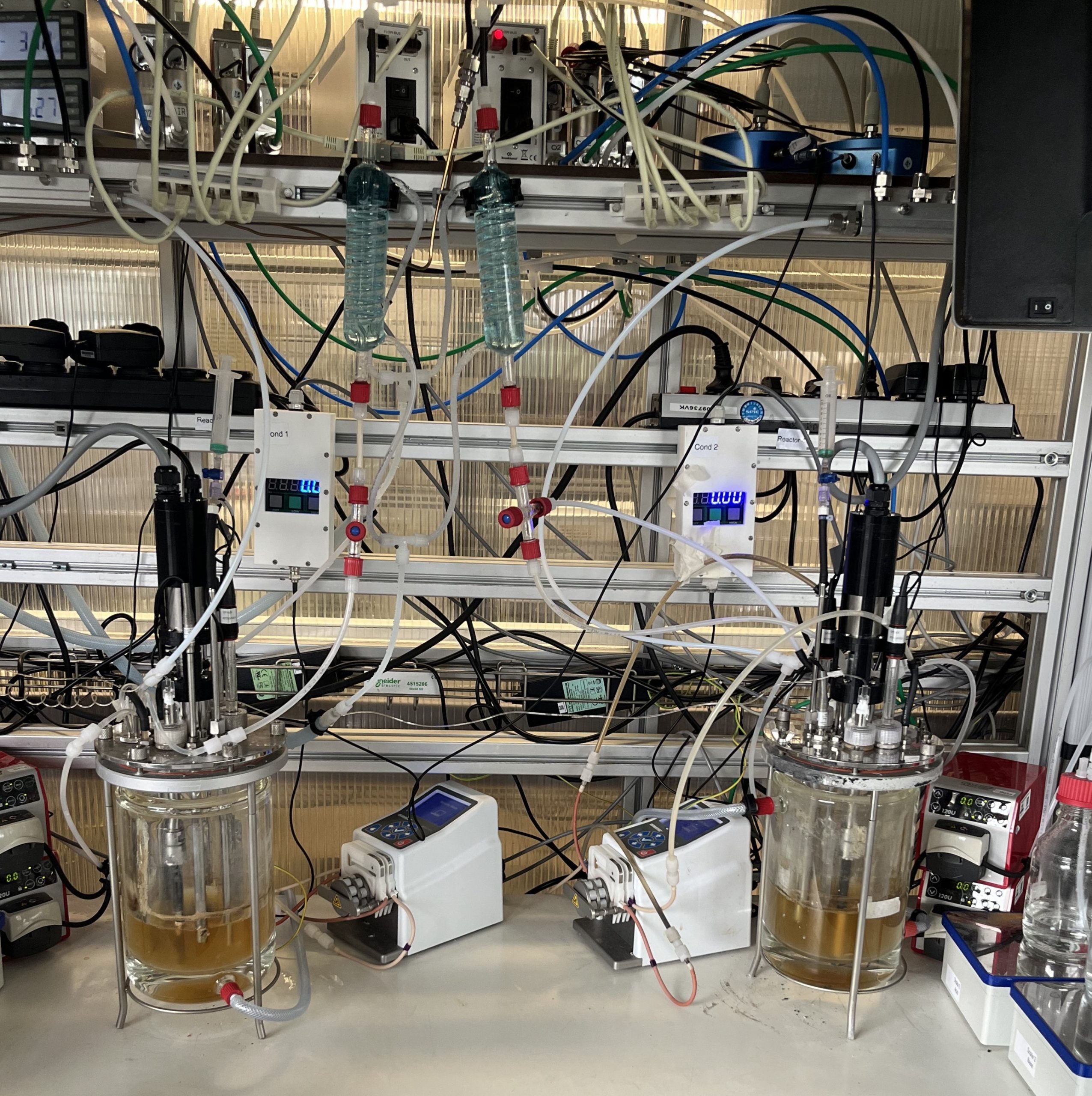
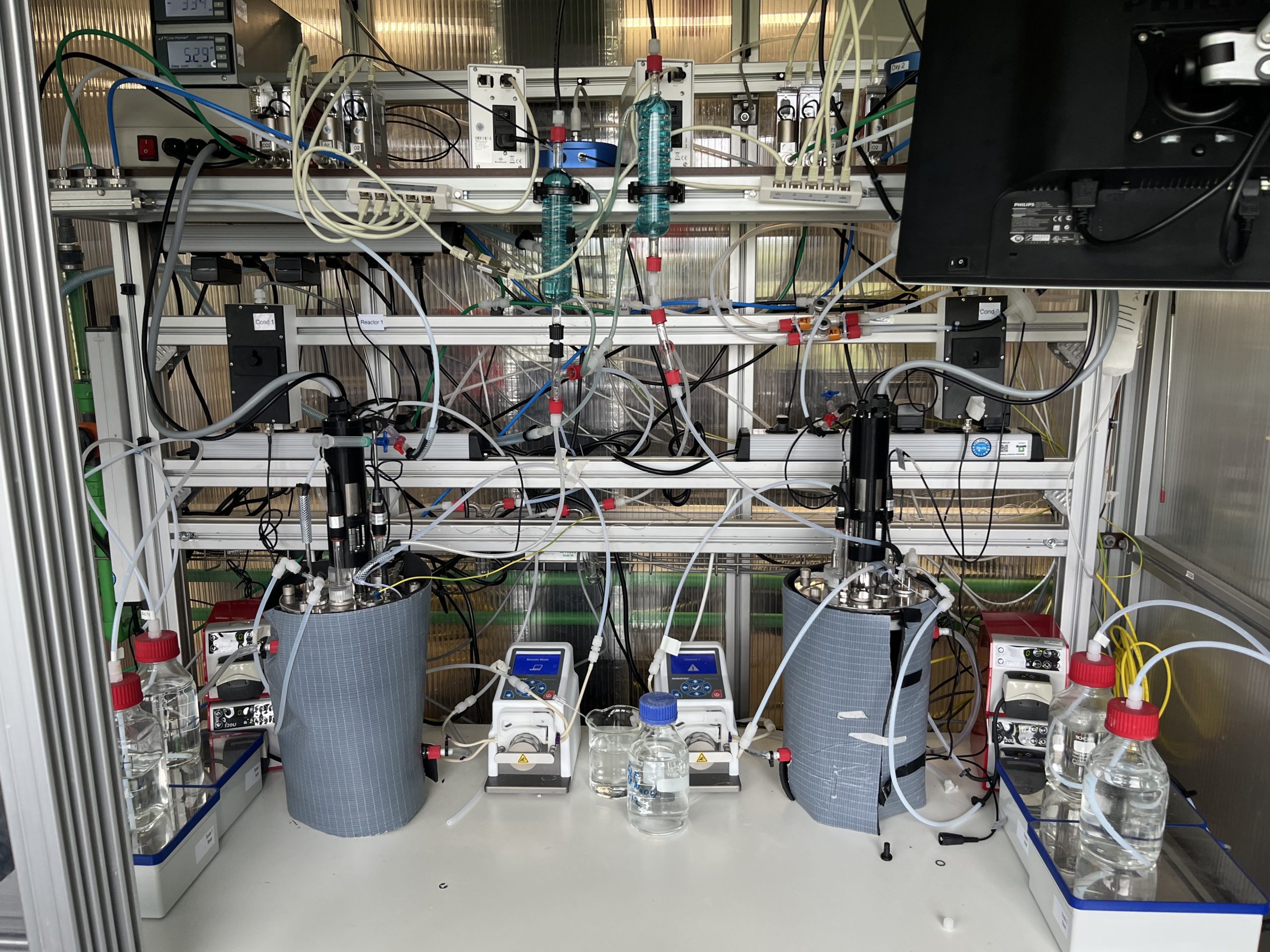
I operated four continuous stirred-tank reactors (CSTRs) in parallel to compare fermentation responses under different influent conditions. Process monitoring and product analysis included ion chromatography (IC), gas chromatography (GC), and high-performance liquid chromatography (HPLC), alongside routine reactor monitoring and sampling.
What were the most significant results or key findings of your study?
The experimental work is still being analysed, so the findings are preliminary. However, the results so far suggest that the mixed culture can adapt to changes in feedstock composition and may be able to return towards its original performance after the original influent is reintroduced. Further analysis is needed before drawing firm conclusions about the extent and mechanisms of this recovery.
Which UNLOCK platforms or tools did you use during your research?
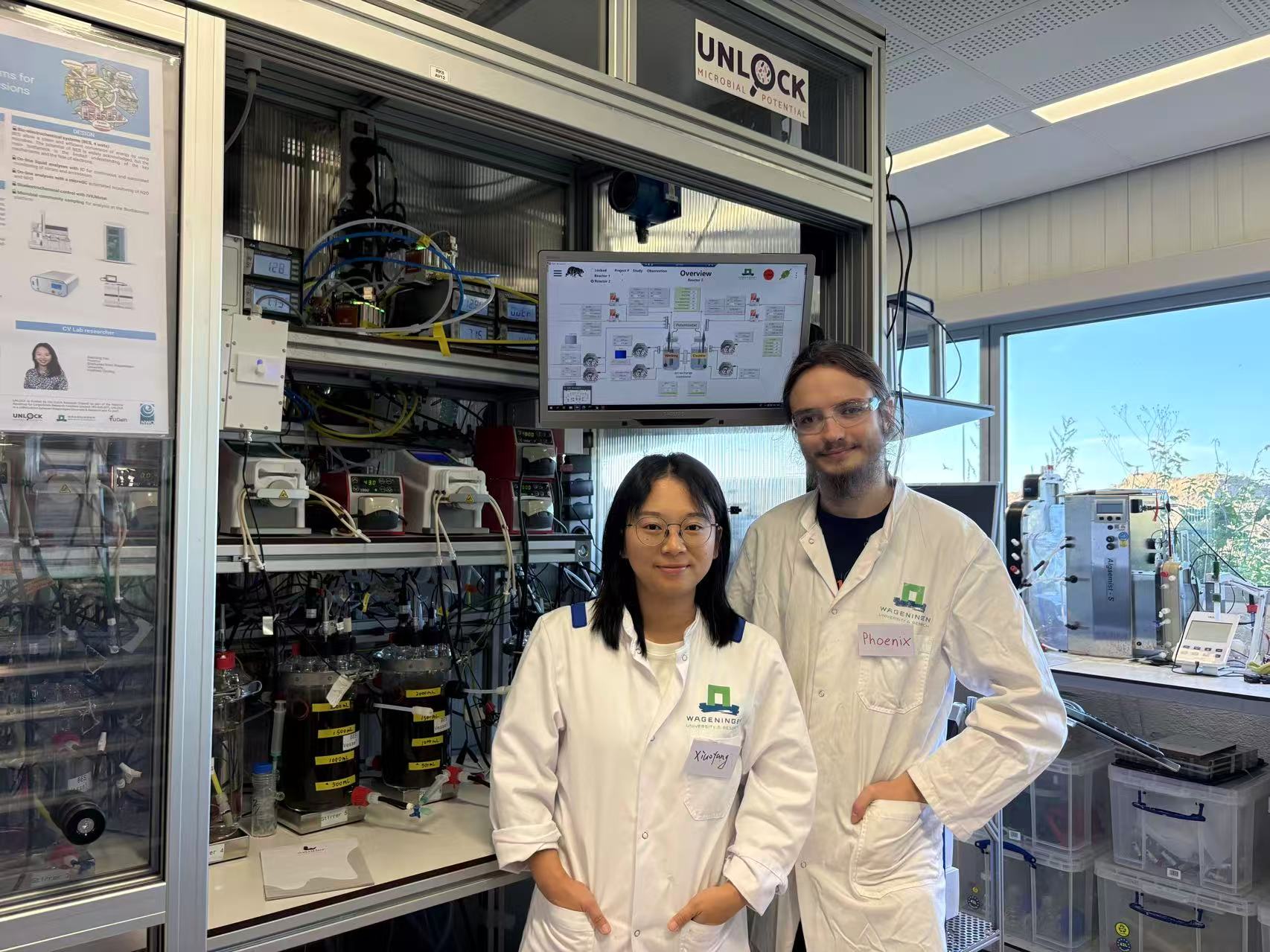
I used the Biomodular Platform, particularly the parallel continuous reactors equipped with online off-gas analysis.
How did UNLOCK facilities support or enhance your work?
The platform enabled parallel reactor operation, which was valuable for testing feedstock variability under controlled conditions. In addition, the team provided useful scientific input during experimental planning and troubleshooting, and responded promptly when issues with the experimental set-up arose.
Were there any specific technical challenges or discoveries you encountered while using the platform?
A key practical lesson was that adapting an experimental set-up can take substantially longer than anticipated. Some equipment and platform components required additional time before they could be used as planned, which affected the experimental timeline. This highlighted the importance of confirming equipment readiness, operational responsibilities, and realistic start-up timelines well in advance of an experimental visit.
What did you find most valuable about working with UNLOCK?
The most valuable aspect was the expertise of the people involved. Discussions with the team provided useful scientific input and critical discussion on reactor operation, troubleshooting, method development, and experimental decisions.
Has your experience with the platforms influenced your current or future research direction?
The experience has not changed the overall direction of my research, but it has provided a practical perspective on the importance of robust experimental planning, commissioning time, and clearly defined expectations when conducting complex multi-reactor studies at an external facility.
Do you have any advice or tips for future students or researchers planning to work with UNLOCK?
-
Allow more time than you initially expect for set-up, troubleshooting, and achieving stable reactor operation.
-
Discuss expectations, roles, equipment availability, and technical readiness with the platform team before the visit begins.
-
Confirm which equipment is fully operational and available for your planned workflow, including any analytical methods or supporting infrastructure you depend on.
-
Build sufficient flexibility into the experimental plan so that delays do not prevent completion of the core research objectives.